Located on the southern tip of Babeldaob, Airai is often referred to as the "Stepping Stone to Palau." It serves as the primary gateway to the island nation, as it is home to the Palau International Airport. The airport's 77,000-foot runway links Palau to the rest of the world, making Airai the first stop for most visitors. With a population second only to Koror, Airai is a vibrant and significant part of Palau. Traditionally, it is considered Palau's peace grounds, a legacy that dates back to a time of intervillage wars. This historical role adds a layer of cultural depth to a place that is already a vital hub for modern-day Palau.


Sacred to our culture, this Bai, of which only three original examples remain, is the oldest. This structure represents our traditional government system, where pivotal decisions shaped our society. It also exemplifies the ingenuity of Palauan architecture and engineering, remarkably built without nails.
Palau played a crucial role in the creation of Yapese stone money, one of the most fascinating traditional currencies in the world. These massive limestone discs, quarried in Palau and transported to Yap using ancient seafaring techniques, represent a remarkable cultural exchange and a testament to early Micronesian navigation skills.
Crafted with traditional adze techniques in the 1990s, the Kesebekuu in Airai stands as a tangible link to the history of war canoes, symbols of power that carried Palauan warriors.
A local village known is widely known in Palau for crafting these skirts even for a Palauan to witness in person. The Experience Airai (Cultural Tour) allows you to visit her studio and learn more about this ancient craft.
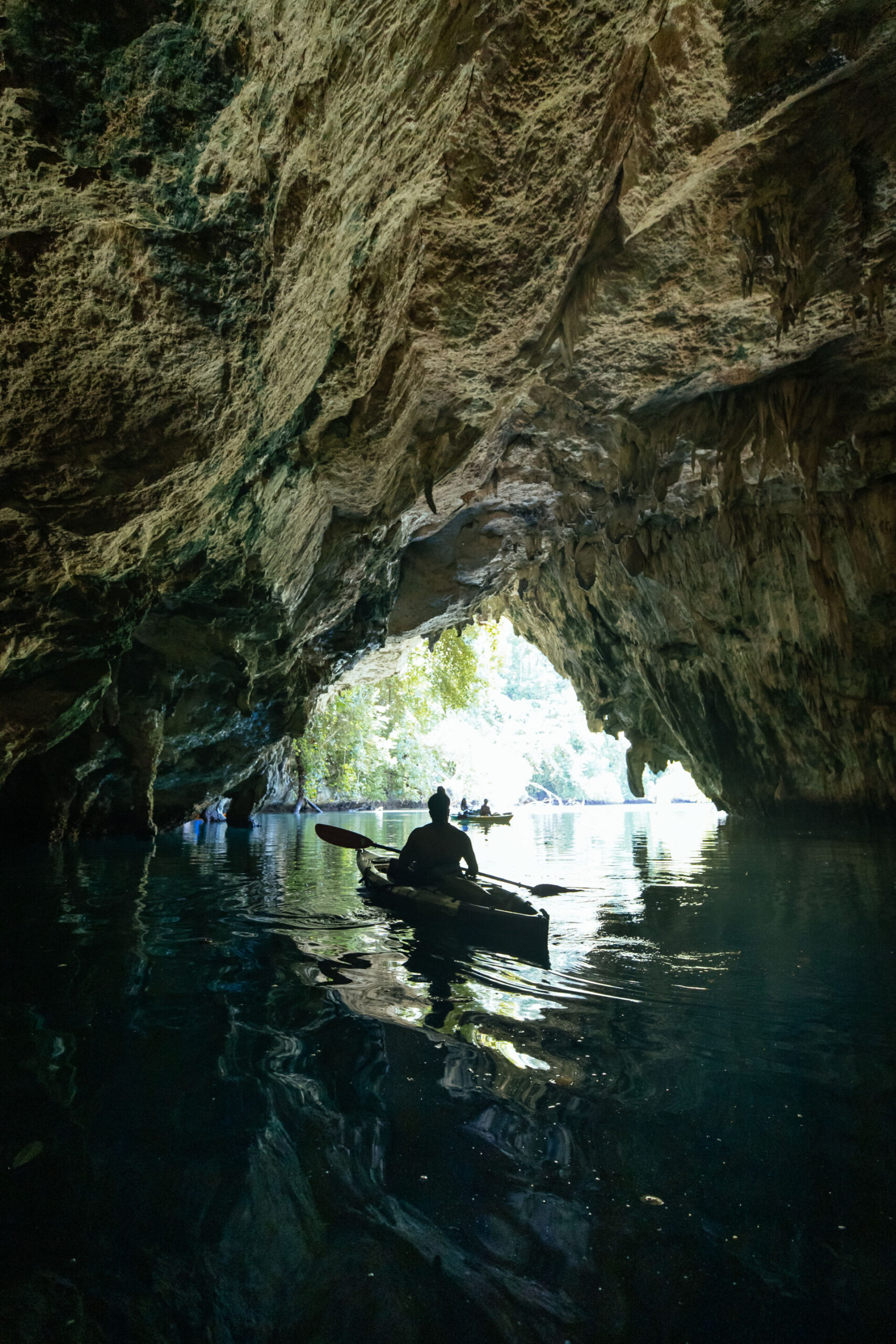
Airai presents a stunning combination of limestone cliffs and mangrove ecosystems. Exploring these areas provides encounters with unique birds, ancient plant life, and WWII relics, creating a truly time stopping experience
Pictured here is Charred Tapioca. Cultural tours in Airai allow for you to try local delicacies1